Grazing Lands, Cattle Management, and Carbon Stewardship
GAIA helps support grazing land management by combining satellite observations, pasture condition indicators, environmental monitoring, and management information. The system can assist with grazing rotation, pasture health assessment, and long-term monitoring of soil carbon and ecosystem outcomes.
Problem
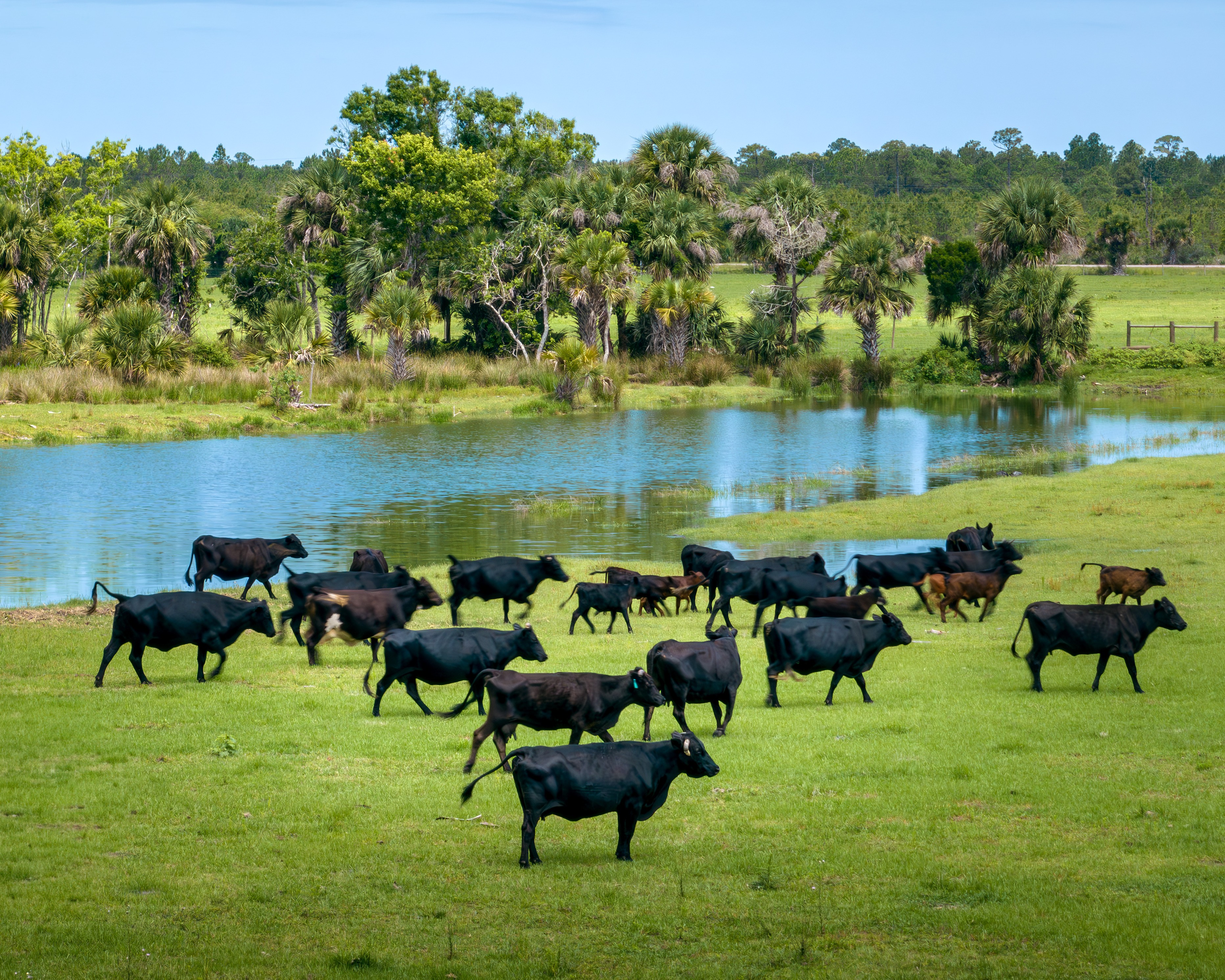
Grazing lands are dynamic systems where management decisions affect pasture productivity, cattle movement, soil health, and environmental outcomes over time. Conditions can change quickly due to rainfall, grazing pressure, vegetation recovery, and seasonal variability.
For land managers, the challenge is understanding where animals should graze next, how pasture condition is changing, and whether management practices are improving or degrading long-term ecosystem health.
Data GAIA Can Combine
Satellite observations
Pasture condition indicators
Vegetation health signals
Soil information
Weather and rainfall conditions
Environmental monitoring data
Grazing rotation records
Cattle movement or management information
Soil organic carbon indicators
Historical pasture performance
Long-term ecosystem health metrics
User Questions
"Where should cattle graze next?"
"How is pasture condition changing?"
"How are management practices affecting soil carbon?"
"Which grazing areas need more recovery time?"
"Where is vegetation improving or declining?"
GAIA Output
Grazing rotation support
Pasture condition summaries
Vegetation recovery indicators
Soil carbon monitoring support
Ecosystem health insights
Management impact summaries
Priority zones for rest, grazing, or monitoring
Plain-language explanation of land condition trends
Outcome
GAIA supports grazing efficiency while helping land managers evaluate environmental impacts over time. By connecting satellite observations, management history, and soil or pasture indicators, GAIA can help users make decisions that support productivity, soil carbon stewardship, and long-term ecosystem health.
This work was supported by the Florida Cattle Association through a 2025 research grant.